
UV STERILIZERS
The need to have pure water, without bacteria, made it necessary to implement the study of new solutions, that have low environmental impact: the UV sterilizer is the ideal solution. In fact, this allows to eliminate bacteria in a natural way, through the use of ultraviolet rays (UV-C), thanks to their capacity to disrupt the DNA and the RNA of microorganisms, by turning them inactive. The UV sterilizers enables to eliminate chemical treatments, by cleaning the water from external agents and bacterial contamination and making it usable in its purest form.
UV Disinfection: The Final Step for Truly Safe Water
In most water treatment processes, ultraviolet (UV) disinfection is the final stage. It targets the smallest microorganisms that conventional filters cannot remove, and is the only disinfection method that does not alter water properties such as pH or temperature. This makes it essential for sensitive applications like aquaculture, aquariums, and ultra-pure water systems.
Why UV Disinfection?
UV is the only disinfection method that does not alter water properties such as pH or temperature. This makes it essential for sensitive applications like aquaculture, aquariums, and ultra-pure water systems. It is highly effective: no known bacteria or viruses are resistant to UV light. Today’s UV systems are also highly optimized, making them the most cost-effective choice in terms of both CAPEX and OPEX. They offer low energy consumption, a compact footprint, high automation, and the shortest contact time without requiring additional infrastructure, While alternative technologies may offer some of these benefits, only UV disinfection delivers all of them at once.
Sizing and Performance
The time required to inactivate bacteria varies based on the target organism, lamp intensity, and the water’s UV transmittance. All relevant factors are considered when sizing the optimal system application as UV Transmittance (UVT) that is critical because it indicates how easily UV light passes through the water: knowing the UVT allows for accurate system sizing and ensures reliable, efficient disinfection. Also the required UV intensity varies significantly depending on the industry and specific application. Below are typical dose ranges and key reference values.
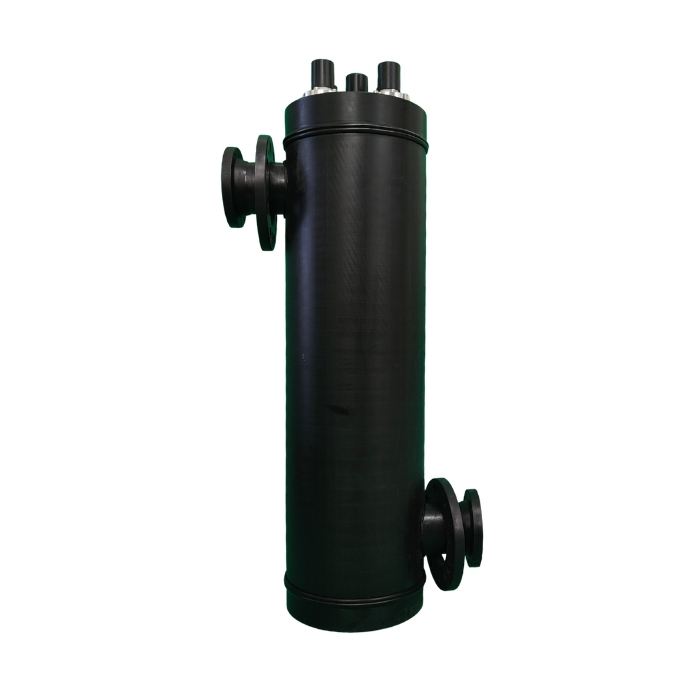
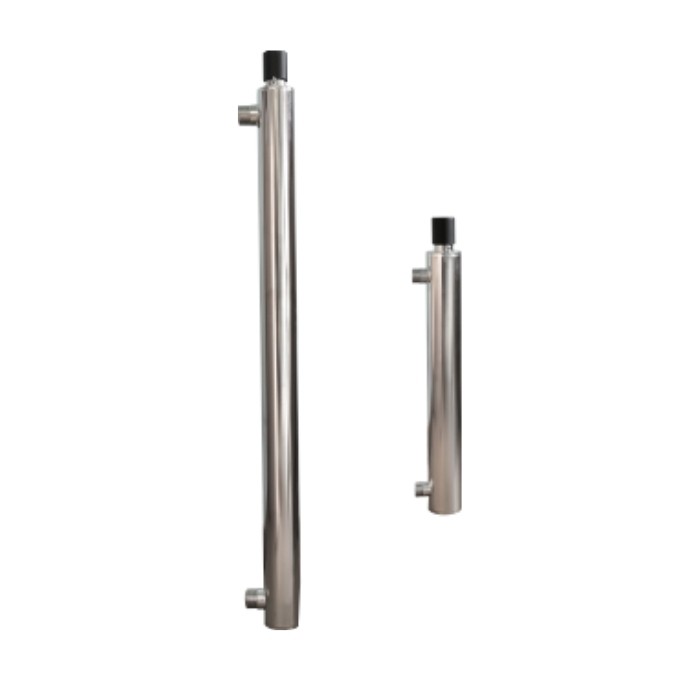
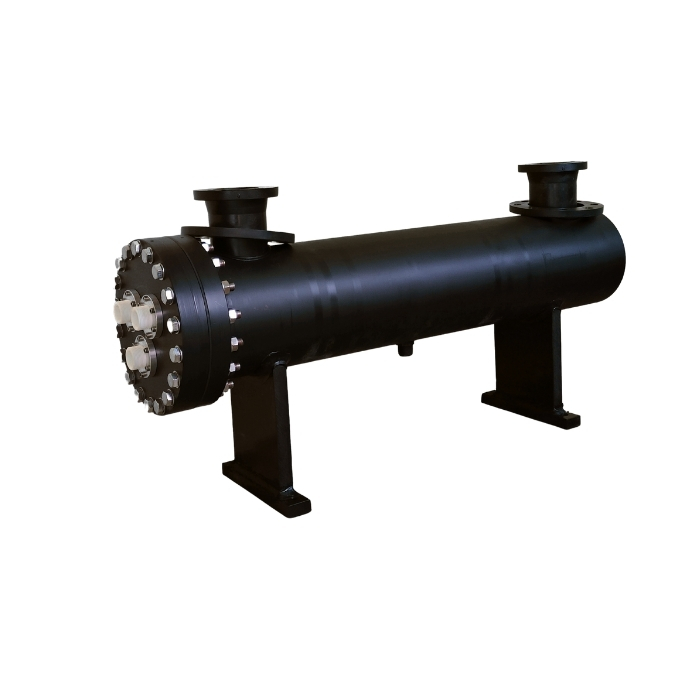
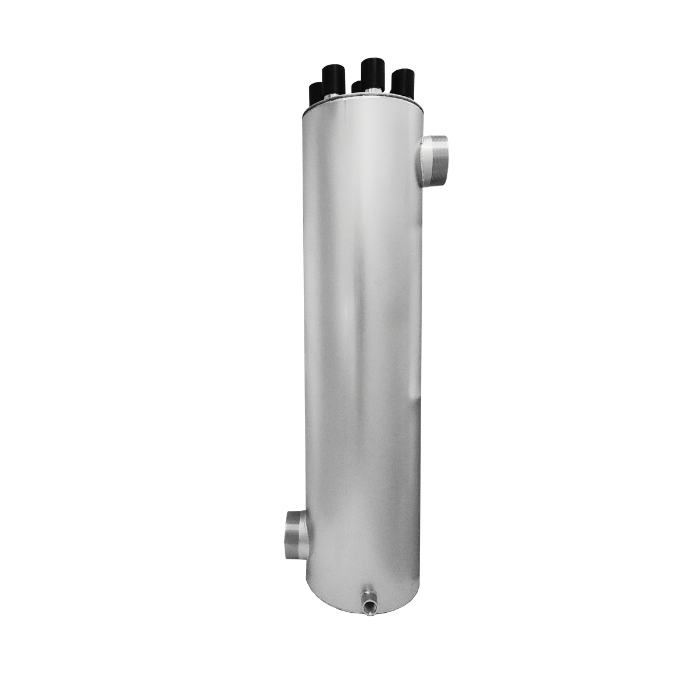
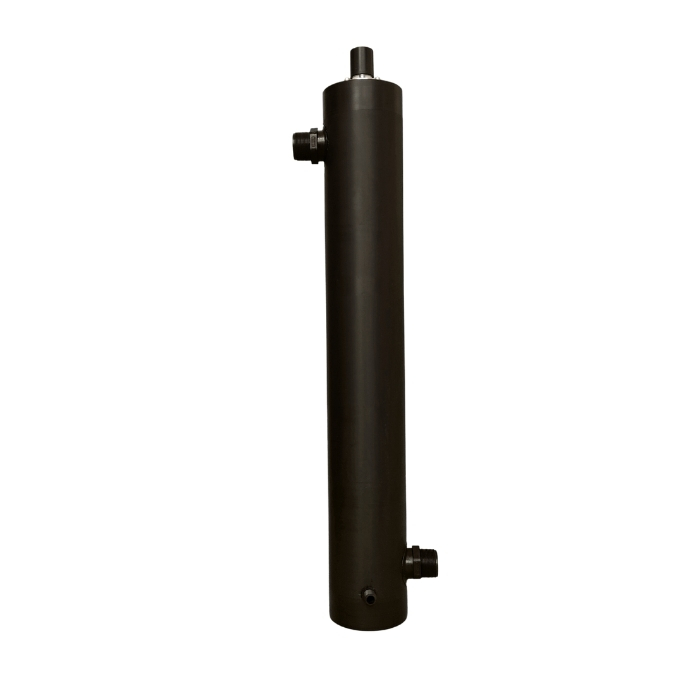
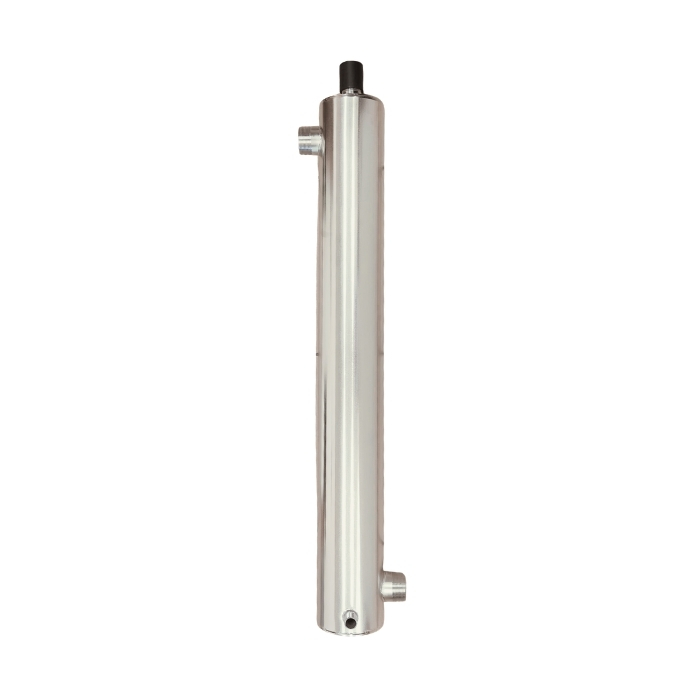
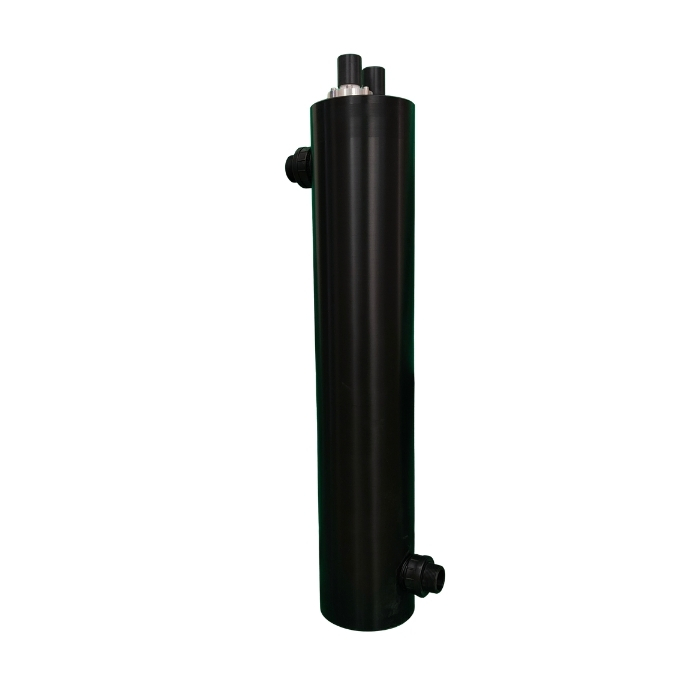
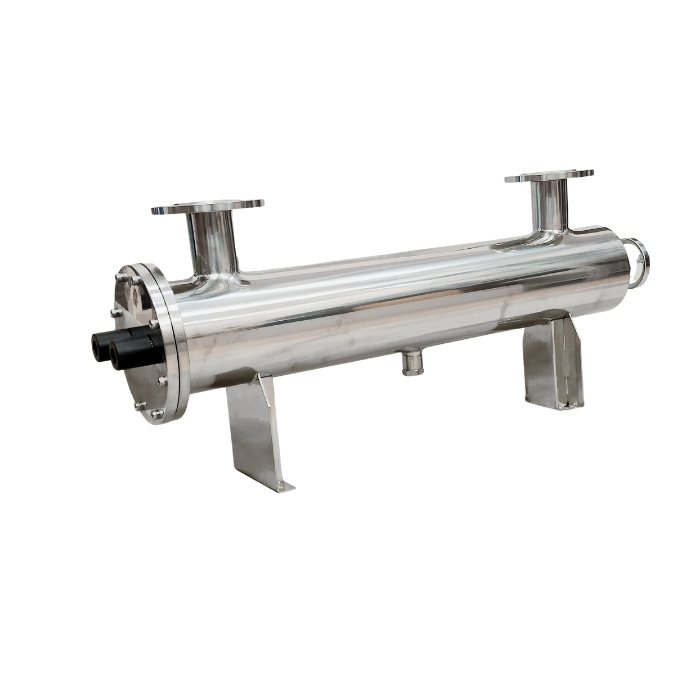
SATEPA Srl produces a wide range of UV sterilizers with different flow rates in stainless steel or HDPE reactor, and with the help of its proprietary designed electronics devices, applied to the systems, it allows to have a disinfection at a very high efficiency and low environmental impact, by selecting the Right UV System: Key factors include, application type, installation location, flow rate, UV transmittance (UVT), and the target microorganisms.
